
OnlyFans Premium Membership Free
A wave of highly convincing cyberattacks is sweeping across social media platforms, leaving a trail of compromised bank accounts in its wake. Cybersecurity researchers are raising the alarm over a sophisticated late-2026 phishing campaign that leverages advanced artificial intelligence to trick users.
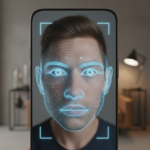
The scam relies on realistic deepfake advertisements. These videos, currently circulating on platforms like Instagram, X, and TikTok, mimic popular adult content creators and mainstream influencers. The digital clones promise viewers “Free OnlyFans VIP Memberships” and exclusive content. But it is all a trap designed to harvest sensitive financial data.
The AI Trap: How the Deepfakes Work
According to threat intelligence analysts at ZeroTrust Labs, the campaign represents a dangerous evolution in social engineering. The creators of this scam are no longer relying on clumsy, pixelated face-swaps. Instead, they are deploying high-fidelity, voice-cloned video ads that perfectly match the speaking style, eye movements, and unique mannerisms of real people. To the untrained eye, these clips are indistinguishable from genuine promotions.
“We are seeing a massive jump in the quality of these synthetic videos,” says Marcus Vance, a lead malware analyst who has been tracking the campaign. “By using cheap but highly advanced AI tools, scammers can pump out hundreds of customized video ads in a single afternoon. They target specific fanbases with incredible precision.”
The Bait and the Hook
The deceptive videos direct targeted users to external websites that mimic the legitimate OnlyFans platform. These spoofed landing pages are incredibly detailed. To build trust, the hackers have implemented fully functional HTTPS encryption, realistic CAPTCHA verification steps, and convincing customer support chat widgets that reply in real time.

Once a user lands on the fake site, they are prompted to sign up for a “free trial.” However, to verify their age and activate the VIP membership, the site requires them to enter their credit card information. The form promises that no charges will be made. In reality, the moment the user clicks “submit,” their financial data is beamed directly to servers controlled by the attackers. Within minutes, victims report unauthorized transactions popping up on their bank statements, often originating from international shell companies.
Why Traditional Defenses Are Failing
What makes this late-2026 campaign particularly insidious is how it bypasses traditional security filters. Historically, spam filters and social media moderation algorithms flagged phishing links by analyzing text patterns or checking domain age. This campaign bypasses those checks by embedding the malicious URLs inside QR codes shown in the deepfake videos, or by using obfuscated redirect links in the bio sections of compromised high-profile accounts.
Social media platforms are scrambling to take down the deceptive ads, but automated detection systems are struggling to keep pace with the sheer volume of new content. As soon as one account is suspended, three more appear to take its place.
How to Stay Safe
Security experts recommend several steps to protect yourself from these emerging deepfake scams:
- Never click on promotional links or scan QR codes found in unsolicited social media videos.
- Always check the browser’s address bar. The official OnlyFans domain is onlyfans.com. Any variation, such as “onlyfans-vip.net” or “free-onlyfans.co,” is a scam.
- Be skeptical of any “free” offer that requires credit card details for verification purposes.
- Use virtual or single-use credit cards for online registrations to limit potential financial exposure.
As deepfake technology becomes more accessible, security agencies warn that this is likely just the beginning. The line between reality and synthetic media is blurring faster than platforms can adapt. For now, a healthy dose of skepticism remains the best defense.